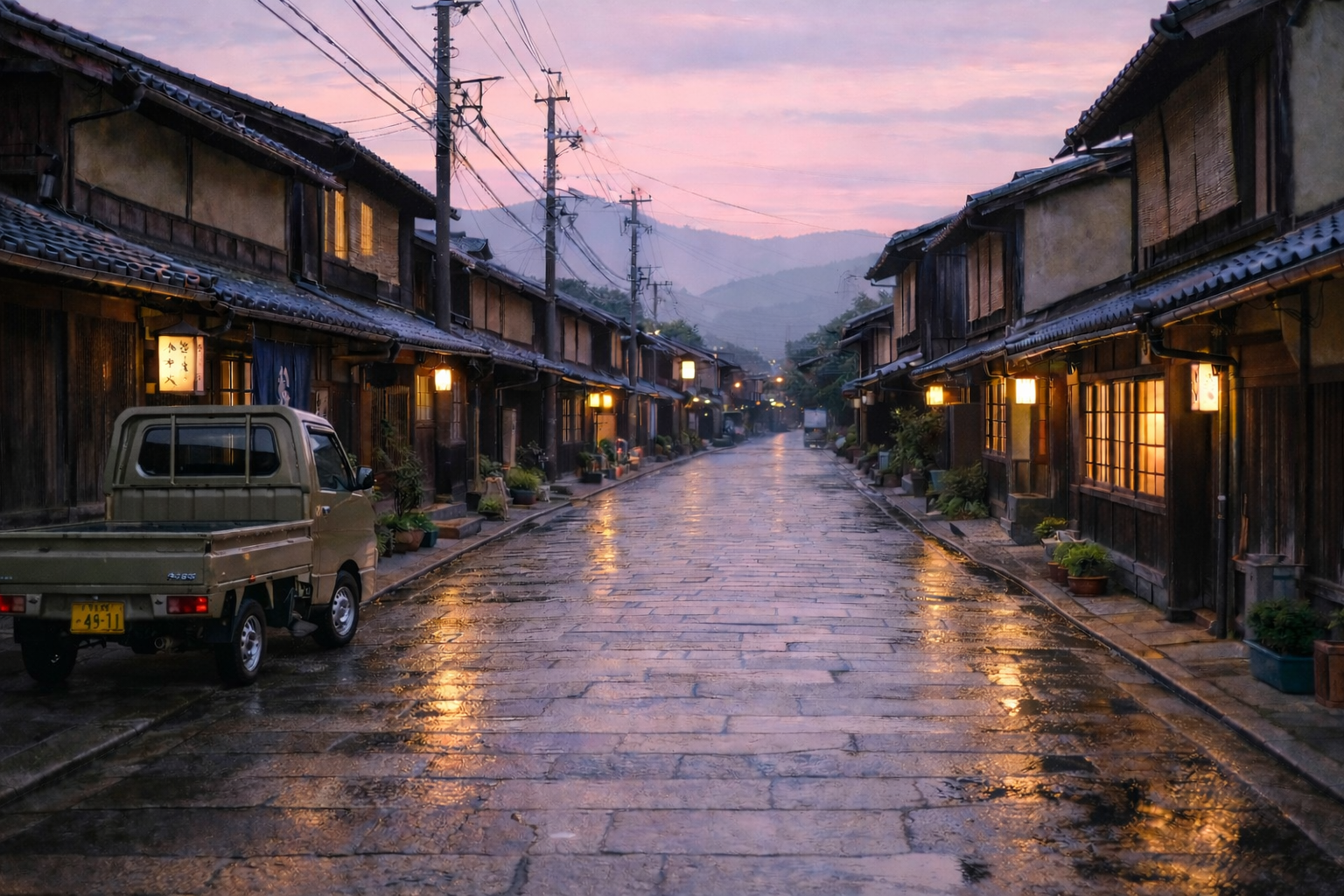

Renovating a Traditional Japanese Home
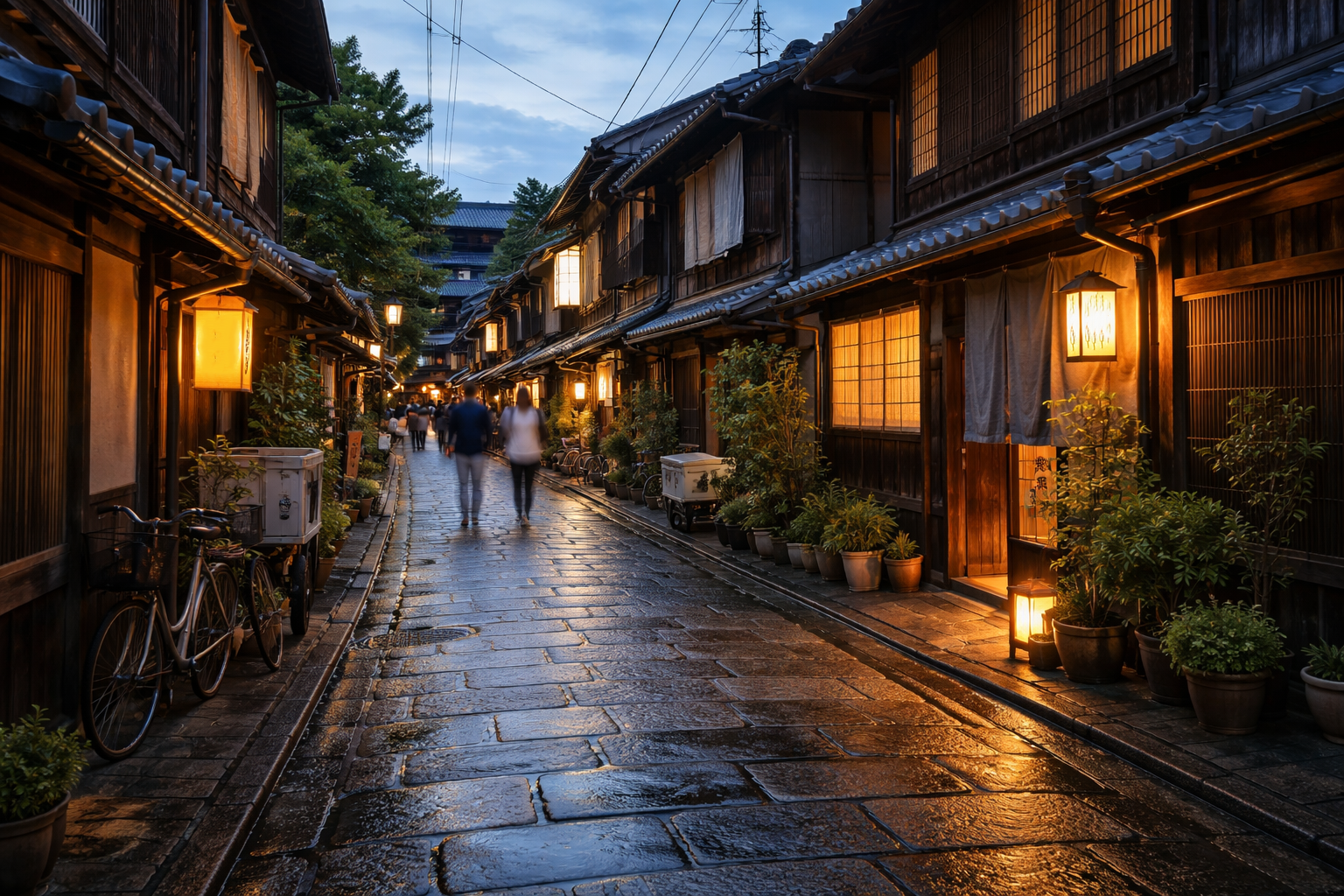
What International Buyers Often Get Wrong
And How to Approach It Properly
Traditional Japanese homes have a distinct appeal that is hard to replicate.
Timber frames darkened with age. Lime plaster walls. Tatami rooms. Deep eaves filtering soft light. Spaces that feel calm without trying to impress.
Machiya in Kyoto. Kominka in the countryside. Mid-century timber homes and apartments in Osaka and Tokyo. These buildings share consistent characteristics. Natural materials. Human-scale proportions. A clear response to climate and daily life.
For many international buyers, this is the reason they buy.
Renovating a traditional Japanese property is not the same as renovating in Australia, Europe, or North America. Construction methods, regulations, craftsmanship, and expectations follow a different logic.
Handled poorly, renovations become expensive and stressful. Handled well, they produce durable, functional homes.
Below are the most common mistakes we see.
Treating a traditional Japanese building like a modern Western one
Many Japanese homes were designed to breathe.
They are not sealed boxes. Timber moves. Walls regulate humidity. Air flows through sliding screens and layered thresholds.
Seal these buildings with synthetic insulation, plastic membranes, or impermeable finishes and problems start. Condensation builds. Timber decays. Mould forms.
Modernisation should be selective.
Use breathable materials. Respect how the building behaves. This improves long-term performance.
Adapt the building. Do not replace it.
Underestimating structural and remedial work
Older properties require unseen work before any finishes begin.
Foundations need reinforcement. Roofs need repair. Seismic upgrades are often required. Termite and moisture damage are common.
You do not see this in photos. It determines whether the house lasts another fifty years.
Most international buyers focus on kitchens and finishes. Structure comes first.
It is not visible. It is essential.
Expecting speed over craft
Japanese construction values precision.
Joinery is custom. Timber is selected carefully. Plaster is applied in layers. Details are resolved by hand.
This takes time.
Push the timeline and quality drops. Costs increase.
Allow trades to work properly. The result is better.
Over-designing the interior
Traditional Japanese architecture already has strong spatial logic.
Light, proportion, and material carry the space.
Add too much and the architecture weakens.
Restraint produces a clearer result.
Keep the palette tight. Timber. Plaster. Stone. Fabric. This stays consistent with the building.
Managing remotely without local expertise
Some buyers try to manage renovations from overseas.
Language, time zones, and unfamiliar construction practices create friction. Small issues become delays.
A local team keeps the project moving. Trades are coordinated. Quality is checked. Problems are solved early.
Without this, simple projects become complex.
Choosing materials unsuited to Japan’s climate
Japan’s climate is demanding.
Hot, humid summers. Cold, dry winters. Constant movement through the seasons.
Imported materials often fail. Warping. Swelling. Early deterioration.
Hinoki, cedar, lime plaster and other natural materials perform here because they suit the environment.
They last longer and need less intervention.
Choose for longevity.
Traditional houses are not the only challenge. Apartments require the same level of care.
Many buyers assume only machiya and kominka need sensitivity. That is not the case.
Japanese apartments require the same thinking.
Post-war and mid-century apartments often have strong underlying structure. Compact layouts. Generous balconies. Solid concrete. Clear proportions.
Strip that out and replace it with a generic international style and the result feels disconnected.
Keep what works. Improve planning. Improve storage. Use natural materials. Keep finishes controlled.
Do not try to make Tokyo or Kyoto feel like London or Melbourne.
Refine what is already there.
Why Kyoto requires more care
These principles apply across Japan. Kyoto adds constraints.
Heritage protections. Traditional streetscapes. Cultural value.
Machiya and historic homes often carry significance beyond the site.
Renovation here is not just construction. It carries responsibility.
Design decisions must respect the building and its context.
This requires experience and judgement.
Poor work is obvious.
Why work with a qualified Interior Architect
The main risk for international buyers is hiring the wrong team.
Many companies look similar. The outcomes are not.
A builder constructs what they are told.
An Interior Architect defines how the home works before construction starts.
This difference matters.
A qualified Interior Architect:
• resolves layout, light, and circulation early
• plans structure and services properly
• balances heritage with modern use
• prepares documentation to avoid costly changes
• coordinates contractors and maintains quality
• prioritises durability over short-term savings
Without this, projects become reactive. Budgets drift. Details break down. Structural and moisture issues are missed.
Mistakes are expensive to fix.
The right team reduces risk and protects the asset.
It also keeps the process controlled.
A more considered approach
Successful renovations follow a simple mindset.
Respect the building.
Plan properly.
Work with skilled trades.
Move with intent.
Restore a machiya. Update a kominka. Refine an apartment. The objective stays the same.
Preserve character. Improve function. Build for longevity.
Done properly, renovation extends the life of the home. It does not replace it.
Next step
If you are serious about renovating in Japan, you already know this is not something to leave to chance.
You can keep researching. You can keep second-guessing. Or you can get clear on what your project actually requires.
The next step is simple.
Go to the enquiry form. Fill it out properly. The more precise you are, the more direct the response will be.
If the project is a fit, we will tell you exactly how to approach it. If it is not, you will know early.
Either way, you move forward with clarity.